Last Updated: June 5, 2026
What to Know Before You Buy a Dog GPS Tracker
GPS trackers for dogs have improved a lot in recent years, but the upfront purchase price is only part of what you will spend. Thinking through a few practical points before you buy can prevent frustrating surprises down the road.
Subscription Costs and Coverage
Nearly every GPS tracker on the market requires a monthly or annual subscription to access cellular or satellite coverage. Plans typically run from $5 to $15 per month, and some premium units charge more for real-time updates or international roaming. Before purchasing, check whether the plan auto-renews, whether you can pause it when not needed, and whether coverage actually reaches your area and any regions you travel to with your dog. A tracker priced at $80 upfront with a $12 per month plan will cost over $220 in the first year alone. Annual billing usually offers a meaningful discount over month-to-month rates, so compare both before you commit.
Battery Life During Active Use
Manufacturer battery estimates are measured under low-activity or standby conditions, not during real tracking sessions. Enabling live tracking or frequent location updates can cut battery life to a third of the advertised figure or less. Most trackers let you choose how often the location refreshes — longer intervals save battery but reduce your ability to follow a dog that is moving fast. A tracker that needs charging every two to three days is manageable for most owners. If your dog is a confirmed escape artist or spends long hours outdoors, prioritize models that support quick charging or swappable battery packs so you are never caught with a dead unit.
Escape Alerts and Fit for Small Dogs
A reliable escape alert sends a notification within seconds of your dog crossing the boundary of a defined safe zone. Test this yourself after setup by walking the tracker out of range — some units have delays of 30 seconds or longer, which matters when a dog is moving at a full run. For small and toy breeds, tracker weight and collar fit deserve extra attention. Units heavier than 1.5 ounces can be uncomfortable on dogs under 15 pounds, and a bulky housing may snag on brush or cause neck discomfort over time. Look for a slim, low-profile design and pay attention to the attachment style — clip-on units can detach during rough play, while strap-through designs stay put but require a collar of compatible width.
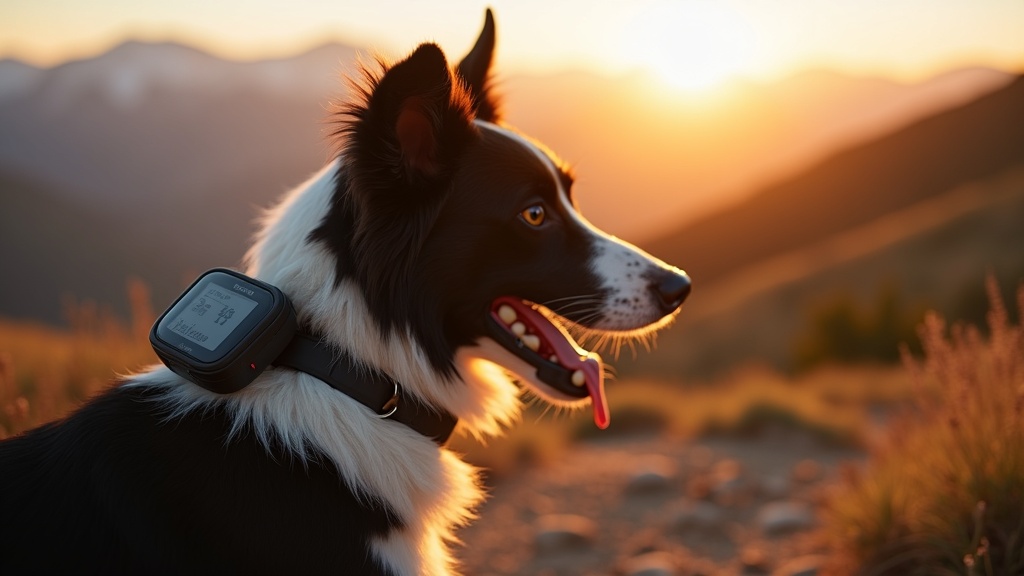
A split second. That is all it takes for a dog to bolt through an open gate. Without a tracker, your only option is driving around the neighborhood calling their name. We compared the top GPS trackers to find which ones actually work when it matters most.
Quick Comparison

According to the AVMA, pet tracking technology has become an essential safety tool for responsible pet owners.
| Tracker | Battery | Range | Monthly Fee |
|---|---|---|---|
| Fi Series 3 | 3 months | Nationwide (LTE) | $8.25/mo |
| Apple AirTag | 1 year | Crowd-sourced | Free |
| Whistle GO Explore | 20 days | Nationwide (LTE) | $9.95/mo |
Fi Series 3 — Best Overall
The Fi collar is purpose-built for dogs, not repurposed from human tech. The 3-month battery life is industry-leading, and the LTE connection means real-time tracking anywhere with cell service. The escape alerts are the killer feature: the moment your dog leaves a designated safe zone, your phone buzzes.
According to AKC, microchipping combined with a GPS tracker gives dogs the best protection against permanent loss, as GPS provides real-time location while microchips serve as permanent identification if found.
Apple AirTag — Best Budget Option
At $29 with no subscription, the AirTag is tempting. But understand the limitation: it is not real-time GPS. It relies on nearby Apple devices to relay location. In a city, this works surprisingly well. In rural areas with few iPhones around, you might get location updates every 15-30 minutes or longer.
Do You Really Need a Subscription?
Fi and Whistle both require monthly subscriptions ($8-10/mo). If your dog rarely escapes and you live in a city, an AirTag might be enough. But if your dog is an escape artist or you hike off-leash, the real-time LTE tracking is worth every penny.
Our Pick
The Fi Series 3 wins for most dog owners. Three-month battery, real-time tracking, and escape alerts make it the most complete solution available.
You May Also Like
Geofence: a virtual boundary set in a GPS tracker app around a designated safe area like your home or yard. When your dog crosses the boundary, you receive an instant escape alert on your smartphone.
Related home-safety guides: A GPS tracker solves the outside-the-home problem. For indoor routines, compare our automatic dog feeder picks and our crate options for medium dogs.
Frequently Asked Questions
Q: How accurate are dog GPS trackers?
Modern LTE-based GPS trackers like the Fi Series 3 are accurate to within 10-30 feet outdoors. Accuracy drops in urban canyons, dense forests, or indoors where GPS signal is weak. Bluetooth-only trackers are only accurate when near another device in the network.
Q: Do dog GPS trackers require a monthly subscription?
Yes — real-time GPS trackers require a cellular subscription, typically $8-15/month. This covers the LTE data that transmits your dog’s location. One-time purchase Bluetooth trackers do not have monthly fees but have very limited range.
Q: Can GPS trackers help with dog theft?
GPS trackers significantly increase the chances of recovering a stolen dog. The real-time location feature lets you track movement and share coordinates with police. The Fi Series 3 also logs location history, which can help document a dog’s route after disappearing.
Q: What’s the difference between GPS and Bluetooth pet trackers?
GPS trackers use satellite and cellular networks for nationwide, real-time tracking — ideal for dogs that escape or wander. Bluetooth trackers rely on proximity to other devices for location updates, offering no real-time tracking beyond 300 feet from a connected device.
About the Author: Sarah Mitchell is the founder and lead reviewer at BestPetPicker. With 15+ years of experience caring for dogs, cats, and small pets, she personally tests every product recommended on this site.
Disclosure: This post contains affiliate links. If you purchase through our links, we may earn a small commission at no extra cost to you. Learn more.
Pet care expert and product reviewer. Lifelong pet owner with 2 dogs and a cat. Every recommendation is based on real research and verified owner experiences.